


Precision X-ray is the leading provider of safe, high output X-Ray irradiators used in modern translational research.
Accelerate to discover
Back to filter
Related topics

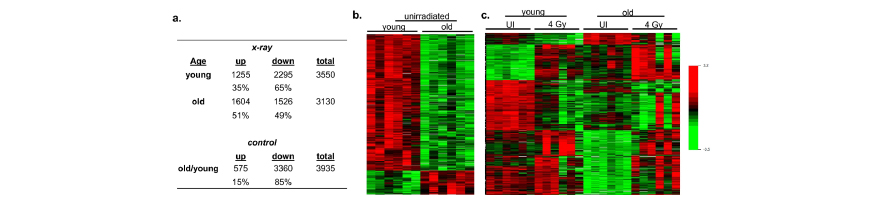
Impact of aging on gene expression response to x-ray irradiation using mouse blood
Aging is thought to be driven, at least in part, by the accumulation of stochastic damage in cells, attributed to the age-related functional loss in DNA damage response and repair leading to growth arrest and senescence. Furthermore, nuclear DNA damage triggers a chronic inflammatory response. As a result of unrepaired DNA double strand breaks, basal γH2AX foci increase with age in multiple human tissue types, as well as in senescent cells, including fibroblasts and lymphocytes. Furthermore, the spontaneous micronucleus yield in lymphocyte cultures from healthy donors aged 0–82 years correlates positively with increasing age, with an approximately fourfold increase in micronuclei in cultures from 80-year-old donors when compared to cultures from newborn donors. Therefore, assessment of radiation dose based on γH2AX foci and micronuclei enumeration after exposure to radiation will be altered by the age of the affected individual. Furthermore, numerous studies have shown that age can modify basal gene expression patterns in both human and mouse tissues. Extending these observations, we hypothesize that age will interfere with radiation biodosimetry that is based on transcriptomic changes in response to radiation.
Follow the link for Full text to check the protocol and results:
Related technologies: X-ray irradiation
Related products
BioFocus newsletter
Register to receive Brand new technology development, Important product updates, Interesting scientific events and more!

Technologies